Protecting Your Identity in a Digital World

Highlights:
- Cybercriminals target people of all ages, so everyone is at risk of identity theft.
- Strong passwords and two-factor authentication are key to keeping your accounts secure.
- Be aware of phishing and smishing scams that trick you into revealing personal data.
- Monitoring your Equifax® credit report may help you catch identity theft early.
Today, more and more financial transactions are taking place online. This can lead to a higher risk of identity theft. Cybercriminals are always finding new ways to steal personal information. Because of this, protecting your identity is more important than ever. From fake emails to large data breaches, there are many risks to watch out for. Here are some tips to protect your identity and advice on what to do if you think you're a victim of identity theft.
Who Can Be a Target of Online Identity Theft?
Older adults may be more vulnerable because of less experience with digital platforms. But no one is completely safe from identity theft. Even if you are careful, a data breach can expose your personal information to criminals. There are some common habits that can increase your risk of identity theft. Using a weak password or using the same password everywhere can lead to identity theft. Simple passwords like “123456” or “password” are easy for hackers to guess.
Oversharing on social media can also lead to identity theft. Avoid sharing your birthdate, address or even a pet's name. This information can help criminals bypass security questions. Be sure not to click on suspicious links. Phishing and smishing scams often look like real messages from trusted companies. Clicking these links may expose your information.
How Can I Protect My Identity Online?
Identity theft protection starts with building safe online habits. Here are some simple steps to follow:
- 1. Create Strong Passwords. A strong password is your best defense against hackers. Use a mix of uppercase and lowercase letters, numbers and special characters. Do not use personal information like your name or birthdate. If you have a hard time creating unique passwords, a random password generator can help you.
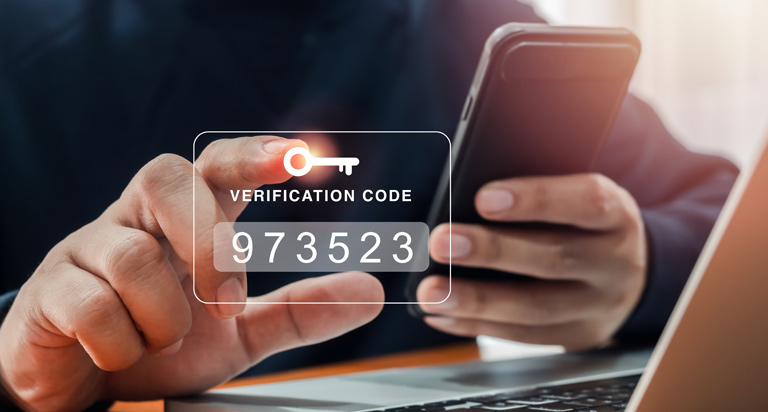
- 2. Use Two-Factor Authentication (2FA). Two-factor authentication adds an extra step when logging in. After you enter your password, you'll need to confirm your identity with a code sent to your phone or email. Even if a hacker steals your password, they won't be able to access your account without this second step.
- 3. Be Wary of Phishing and Smishing. Phishing and smishing scams try to trick you into giving away your personal data. These scams may look like emails or text messages from trusted companies. If you get a suspicious message, avoid clicking on links or opening attachments.
- 4. Do a Credit Report Check. Your credit reports can show early signs of identity theft. Look for new accounts, changes to your credit score you can't explain, or hard inquiries you don't recognize. Create a myEquifax™ account to get free Equifax credit reports each year.
What Should I Do If Someone Steals My Identity?
If you believe you have become a victim of identity theft, act fast to protect yourself. The first thing you should do is report the theft to the Federal Trade Commission® (FTC®). The FTC can help you create a recovery plan. Visit IdentityTheft.gov or call 1-877-438-4338 to file a report. Next, you need to place a fraud alert on your credit reports. Contact one of the three nationwide credit reporting agencies (NCRAs) — Equifax, Experian® or TransUnion® — to place a fraud alert on your credit report. A fraud alert encourages lenders to take extra steps to verify your identity.
You should also place a security freeze on your credit report. A security freeze prevents access to your Equifax credit report for the purposes of opening credit in your name. You'll need to contact each of the three NCRAs to request a security freeze.
If criminals have accessed your bank or credit account, call your bank or credit card company. They can help secure your accounts and issue new cards.
How Equifax Can Help
If you become a victim of identity theft, Equifax can help. With Equifax Complete™ Premier, potential fraud may be uncovered with credit monitoring and alerts, and you'll know if key changes occur to your Equifax, Experian and TransUnion credit files.
We want to help better protect you from identity theft before it happens. Taking steps to protect your identity now can save you time and stress later. By following these tips, you may lower your risk of identity theft and feel more secure online.
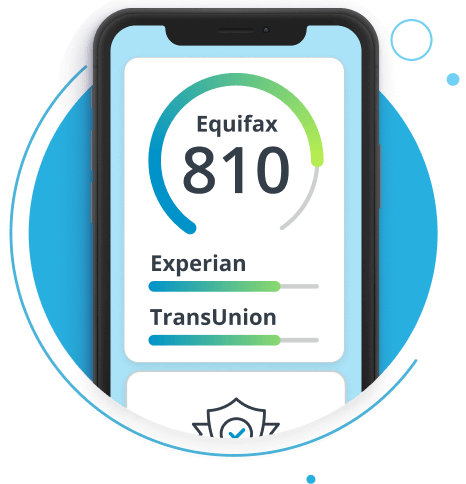
Don't wait another day to build your credit confidence. With Equifax Complete™ Premier, know where you stand with access to your 3-bureau credit report.
Related Content