Why Should I Check my Credit Reports and Credit Scores?

Highlights:
- Checking your credit report and credit scores can help you better understand your current credit position.
- Checking your credit reports can help you be more aware of what lenders may see.
- Checking your credit reports can also help you detect any inaccurate information.
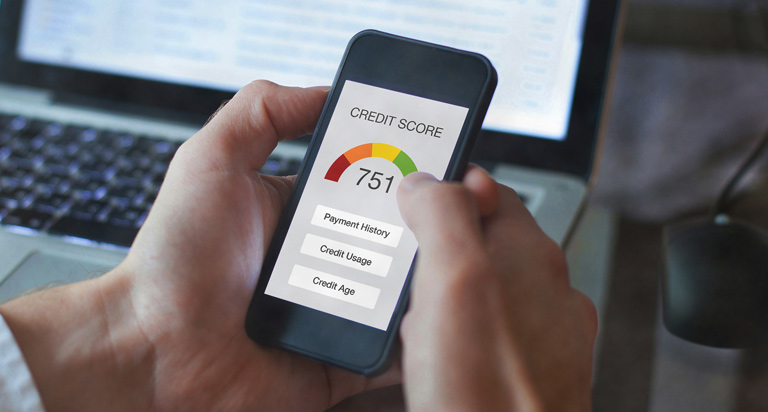
Your credit history and credit scores are vital pieces of information. They are important to your financial wellbeing. Your credit reports and credit scores help you know your current credit position. A credit score is a three-digit number that represents your credit risk (how likely you are to pay your bills). Your credit history is the record of how you have managed your credit accounts.
What does a credit report include?
Your credit report is a roadmap of your lending history. It includes current and past credit and lending accounts. It also includes your payment history, any missed payments, or if an account has gone to a debt collector. It includes the amount you owe to lenders, your credit limit, and your loan amounts. Not all lenders report to all three Nationwide Credit Reporting Agencies (NCRAs). Credit scores come from the information on your credit reports. Each NCRA uses a different credit scoring model. There are many different credit scores and credit score providers. For that reason, your credit score may be different with each NCRA.
What do lenders and creditors use my credit report for?
Potential lenders and creditors use your credit report after you apply for a loan or credit card. These companies want to know how likely you are to pay the money they lend back as agreed. Because of this, it's important to check both your credit scores and your credit reports. Your credit scores and credit report may determine your loan terms. This includes the interest rate and your loan amount. It's important to ensure the information on your credit reports is accurate and complete.
What are the benefits of checking your credit reports?
It's important to check your credit reports at least once a year to ensure your information is correct. Be sure to look for the following things.
- Look for inaccurate or incomplete information. Ensure your personal and credit account information is accurate and complete. Be sure there are no unfamiliar accounts listed. If you do see something that is not right, contact the company reporting the information. You can also dispute the information with the credit bureaus. You should also contact the creditor or lender to let them know there may be fraudulent activity.
- Review your hard inquiries. Lenders and creditors may use third parties to pull credit reports when you apply for a loan or credit card. The inquiry company name may not be immediately familiar and may not be the same as the lender. If you recently applied for credit, ask the lender if they used a third party to pull your credit reports.
- Know what lenders may see. If you're planning to apply for credit or a loan, preparation is important. Checking your credit reports can give you an idea of what lenders may see when you apply for credit. It may also be helpful to understand hard inquiries and how they work.
- Ensure proper reporting of accounts. When checking your credit reports, make sure all your information is correct. You also want to review old negative information, like late payments or bankruptcies. If the appropriate amount of time has passed, make sure they were removed from your credit report.
How to check your Equifax® credit report
It's a good idea to check your credit reports at least once a year. You can get a free copy of your credit reports by visiting www.annualcreditreport.com. You can also get a free copy of your Equifax credit report by creating a myEquifax™ account. It's important to familiarize yourself with the information on your credit reports. It may help you decide whether to apply for credit or wait a while before applying.
Related Content