Understanding Hard Inquiries on Your Credit Report

Highlights:
- When a lender reviews your credit reports after you apply for credit, it causes a hard inquiry.
- Hard inquiries usually impact credit scores.
- Several hard inquiries within a certain time frame for a home or auto loan are often counted as one inquiry.
Some people don't check their credit reports. They think that this practice hurts their credit scores. Pulling your own credit report does result in a soft inquiry, but it will not affect your credit scores. In fact, checking your credit may help you get in the habit of monitoring your financial accounts. It's important to know how inquiries work and what counts as a “hard” inquiry on your credit reports.
What is a hard inquiry?
When you apply for a loan or line of credit, a lender or company requests to review your credit report. That request goes on your credit report as a hard inquiry, and it usually will impact your credit scores. This is different from a “soft” inquiry, which happens when you check your own credit or when someone views your credit report for promotional purposes. Soft inquiries do not impact your credit scores.
Hard inquiries serve as a timeline of when you have applied for new credit. They may stay on your credit report for two years, though they tend to only affect your credit scores for one year. Depending on your credit history, hard inquiries could signal different things to lenders.
Recent hard inquiries on your credit report tell a lender that you are looking for new credit. This may be meaningful to a potential lender when assessing your credit risk.
Exceptions to the impact on your credit scores
If you're shopping for a new auto or mortgage loan, you will get a hard inquiry for each application you submit. But, if the hard inquiries are all for the same type of loan, all those inquiries are often counted as one inquiry. The period of time may vary depending on the credit scoring model used, but it's usually from 14 to 45 days. This allows you to check different lenders and find out the best loan terms for you.
All new auto or mortgage loan inquiries will show on your credit report. But, only one of the inquiries within a specified window of time will impact your credit score. This exception generally does not apply to other types of loans, such as credit cards. All inquiries will likely affect your credit score for those types of loans.
Plan before shopping for a loan
Before shopping for a loan, it's always smart to proactively plan your finances.
First, learn if the type of credit you're applying for can have its hard inquiries treated as a single inquiry. Several inquiries from auto loan, mortgage or student loan lenders often don't affect credit scores.
Second, check your credit before getting quotes to know what is in your credit report. You have a credit report with each of the three national credit reporting agencies (NCRAs): Equifax®, Experian®, and TransUnion®. You can get a free copy of your credit reports from each of the NCRAs at www.annualcreditreport.com. You can also sign up for Equifax Core Credit™ for your free Equifax credit report.
Many people worry about having several hard inquiries on their credit report. It may be tempting to accept an offer early rather than have all those hard inquiries on your credit report. It's important to consider your individual situation before cutting your shopping period short. It's better to find a loan with more favorable terms than to worry about hard inquiries. The impact hard inquiries have on your credit scores from shopping around may have less of an impact.
Managing your hard inquiries with Equifax
If you are shopping around for a new car or home loan, it's important to stay on top of your credit. Equifax makes it easy and free to check your Equifax credit report with Equifax Core Credit™. Even if you aren't looking for a new line of credit, you should review your credit reports often. If you see a hard inquiry that you don't recognize, it could be a sign of identity theft. With Equifax Complete™ Premier, you can go beyond tracking your credit. You can also help protect yourself from identity theft with Dark WebScan.
The more informed you are about what happens when you apply for a loan, the better you can prepare for the process.
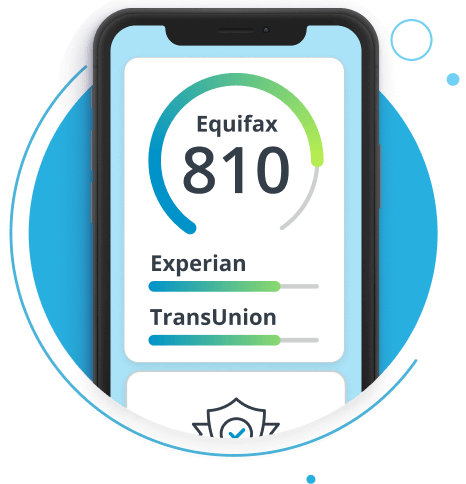
Don't wait another day to build your credit confidence. With Equifax Complete™ Premier, know where you stand with access to your 3-bureau credit report.
Related Content